Objectivity aside, I like to think of my digital self as being akin to my physical presence. In other words, I like to lurk about and wander from place to place like some vagabond, until I am able to feel somewhat that I belong, that I am loved. However, this version of my digital self is quite frankly rather idealized, even sensationalized. In reality, I simply seem to exist in a boundless void, mindlessly digesting whatever information I can from whatever passes my eyes.
Nonetheless, I always have the space and the time to converse meaningfully with those whom I love or care about, as this pandemic has made de rigueur in all society. Why, I had to adapt or else face utter desolateness at a scale never before seen. I would have been forgotten, left alone to freeze in the gelidness of our times. I am, nowadays, a very reserved individual. If I like you, I talk to you; elsewise I only will when I am forced to. Reminds me a little of poor Kafka. Yet offline—back when that was fashionable still and could not possibly land you in a hospital ward—I was somewhat more extroverted than I am now. I still rigorously chose my friends, mind you, but I never felt forced to socialize with anyone. It all came to me naturally, like drinking when in thirst.
In post-pandemic times, the line between the fact and the construct is blurred. Before, I could adequately distinguish who I am and whom I pretend to be online. Yet now, I am no longer so sure, no longer even aware of that border that used to assure me of the real and the imaginary. This is why I believe my generation is ill-prepared for all the uncertainties brought about not only by the invention of the internet and social media, but also its ascension as the primary plane of social interaction in the age of COVID-19. Is this vast sea of chips and wires and code even still a construct of our own? Or have we been slowly tempted into playing the unwilling role of its slave, unaware of its malign designs? Is the End of Eden, Paradise Lost, the Fall—all over again?
In order to come up with even a semblance of an answer to these profound, existential questions, I believe one must first know and understand and approach the problem from multiple angles. Not mentioning that it may take decades for us to truly comprehend the gravity of the situation we’d been thrust into. The internet is not merely en vogue; you are forced to perpetuate its existence merely as a consequence of existing within our modern society. In other words, the only escape is isolation—which as we know, is against our very nature.
In my generation, the primary casualty of this silent and creeping takeover is our sense of self, our ability to understand who we are beyond what others—and society—could see in us. Hence why I now tend to minimize my feeding of these capitalist machines, besides utilizing them for much-needed remote communication. At the very least, I am able to retain some sense of control over my own identity, and whom I reveal it to, even merely online. I cannot attempt to construct it out of pure fiction, as my loved ones would hold me accountable—yet on the other hand, I also do not allow those who hold no stake in my life to shape it, nor dictate the direction that it follows.
Id est, I believe the internet to be useful. But one must tread carefully, knowing that it can just as easily steal away your dignity and your freedom.

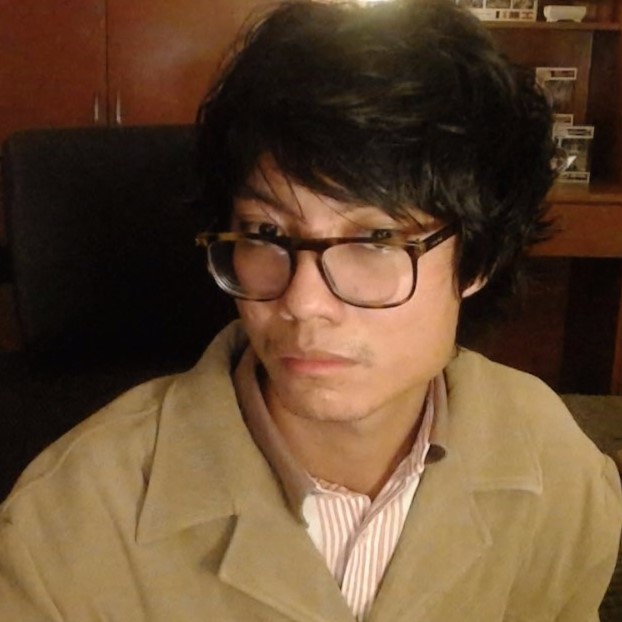


 Marc Paulinus
Leave a comment