
What does it mean for a vote to be moral?
Is it good because it contributed to this or that candidate’s victory—and that that candidate shall bring about good? Or is it good because it reflects the voter’s actual principles? There are two breeds of voters for whom this rings true: the (overwhelmingly neoliberal) bourgeois class, motivated by a prospective return to Aquino-era policies; working class idealists, who reject both Robredo’s neoliberal tendencies and Ferdinand Marcos Jr.’s borderline fascistic historical revisionism; and finally, the supporters of Bongbong Marcos himself, filled with nostalgia for a nonexistent “glory days.” In any case, I’d argue that there is yet another class of voter—invisible, yes, but whose voice is just as potent at the rest. I am referring, of course, to the so-called “anomic voter.”

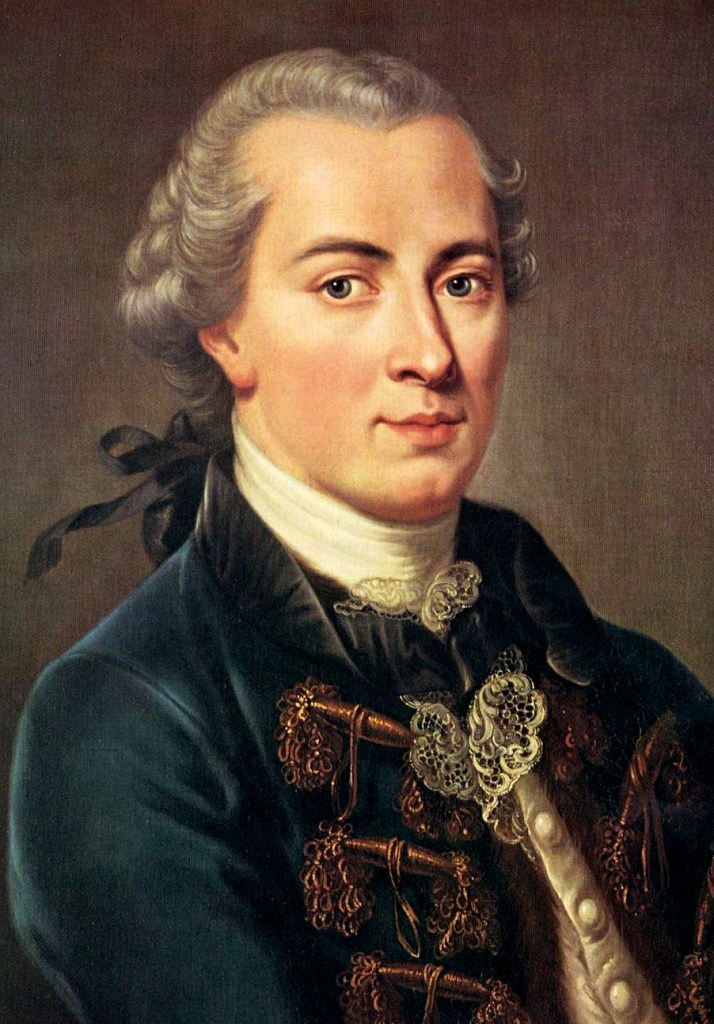
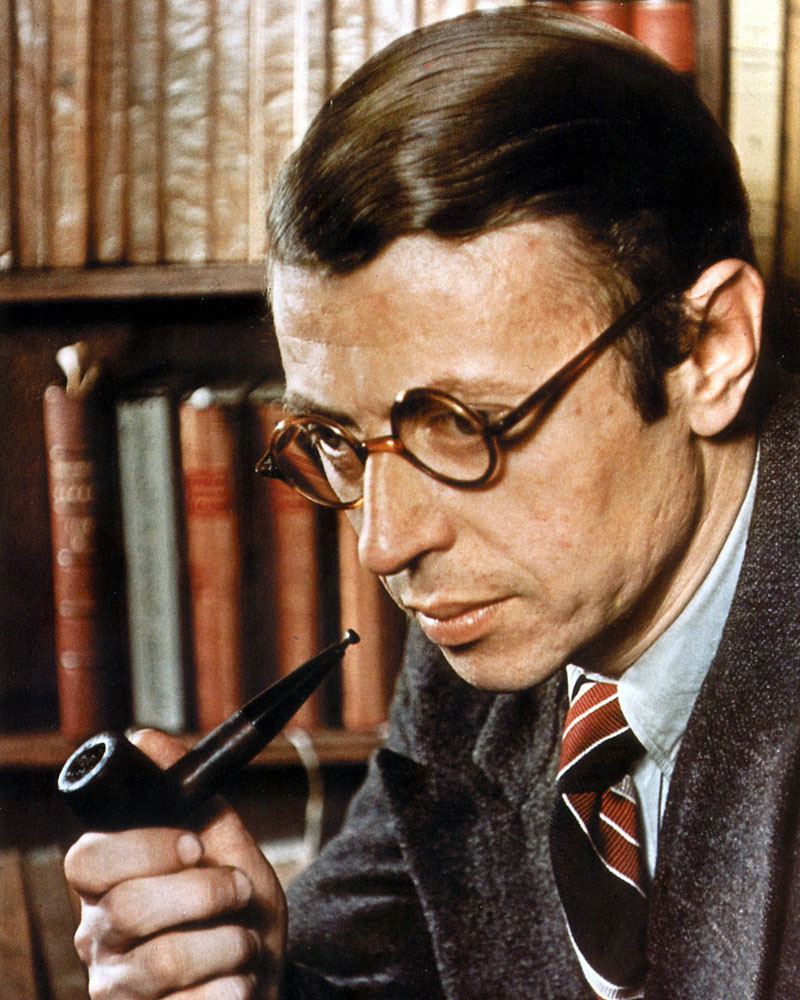
Emile Durkheim defines anomie as the absence of or gradual disintegration of social or ethical standards in a group or individuals. Meanwhile, Immanuel Kant argues that in order for an act to be truly moral, it must have been done out of free will (i.e., thoughts and actions coming from the realm of human reason). In addition, for an act to be considered (at least in Kant’s view) to be free, it must neither have been coerced nor done out of any bodily desires. This means that people voting for a candidate offering jobs (when they are unemployed) or food (when they are short of meals), are in essence, unfree.
The anomic voter understands this.
Many, unfortunately, abstain from the polls altogether. They see no point in choosing a lesser evil—a rose amongst thorns—knowing that such a vote (at least in our present conditions) would not come from a place of true freedom. At least not in practice. If we were to take Hobbes’ view, then we might say that the sovereign has failed, and we reserve the right to overthrow the present regime in any manner necessary. We had willingly surrendered our freedoms in exchange for security, peace, order—and what did we get? A botched pandemic response, inflation, trillions of pesos in debt. Of course, that would be taking it a step too far. We live in a democratic country in the 21st century; not the French Ancien Régime. There is no need for a guillotine.
This, now, is the point where the anomic voter falls short.
By refusing to vote, one is essentially forfeiting a constitutional right to determine the future of our democracy, and in essence, possibly giving way to the return of authoritarianism, unchecked capitalism, totalitarianism, and other such threats to our fundamental freedom. These rights we have, of course, weren’t something our country had by default: it was fought for by our compatriots, with blood and sweat and tears. Then of course, there is our innate freedom, the so-called “absolute” freedom we were born into in the philosophy of Jean-Paul Sartre. In essence, we are more or less free to do what we want, be whomever we wish to be—but that in order to be authentic human beings, we must be, first and foremost, responsible for the choices we make, and secondly, we must know who we are and take charge of it. Following this logic, the anomic voter has discarded their authenticity by refusing to take responsibility, both for their action and for their inaction—and blaming it on forces outside of themselves. This is known as bad faith.
Nevertheless, this is not an invitation to deride or otherwise vilify the anomic voter. One must understand that they are coming from, more or less, a place of alienation, and a place of utmost disillusionment with our political system. In this sense, they are longing for meaningful change just as you and I, but yet find little meaning in fighting for a “lost cause,” so to speak, no matter how just it may seem. The anomic voter, unlike so many of us, can cut through the smiles and false promises that we see on television debates. One could say they are merely exercising their critical thinking.
To quote Albert Camus:
“The welfare of the people in particular has always been the alibi of tyrants, and it provides the further advantage of giving the servants of tyranny a good conscience.”
— Resistance, Rebellion, and Death: Essays
Hence, for the anomic psyche, the distinction between good or bad, tyranny and benevolence is but a stubborn illusion. They have shed their values, not to live amorally; but rather, to be born once more like a phoenix, and to rise with a better understanding of the world around them—and the society they are forced to live in.
To guide the anomic from falling into petty nihilism. That is a worthy cause.
Now the Marcoses are in power once more. As our rights, basic liberties, the very history and essence of our country at stake—this might be the one cause still worth fighting for.



 Marc Paulinus
Leave a comment